
Before I went into a 6th grade class to talk to students about reading identity (in English), the teachers were worried. They said, “They won’t know what to say. They’ve never thought about this before. They don’t really read a lot. They won’t have anything to talk about.”
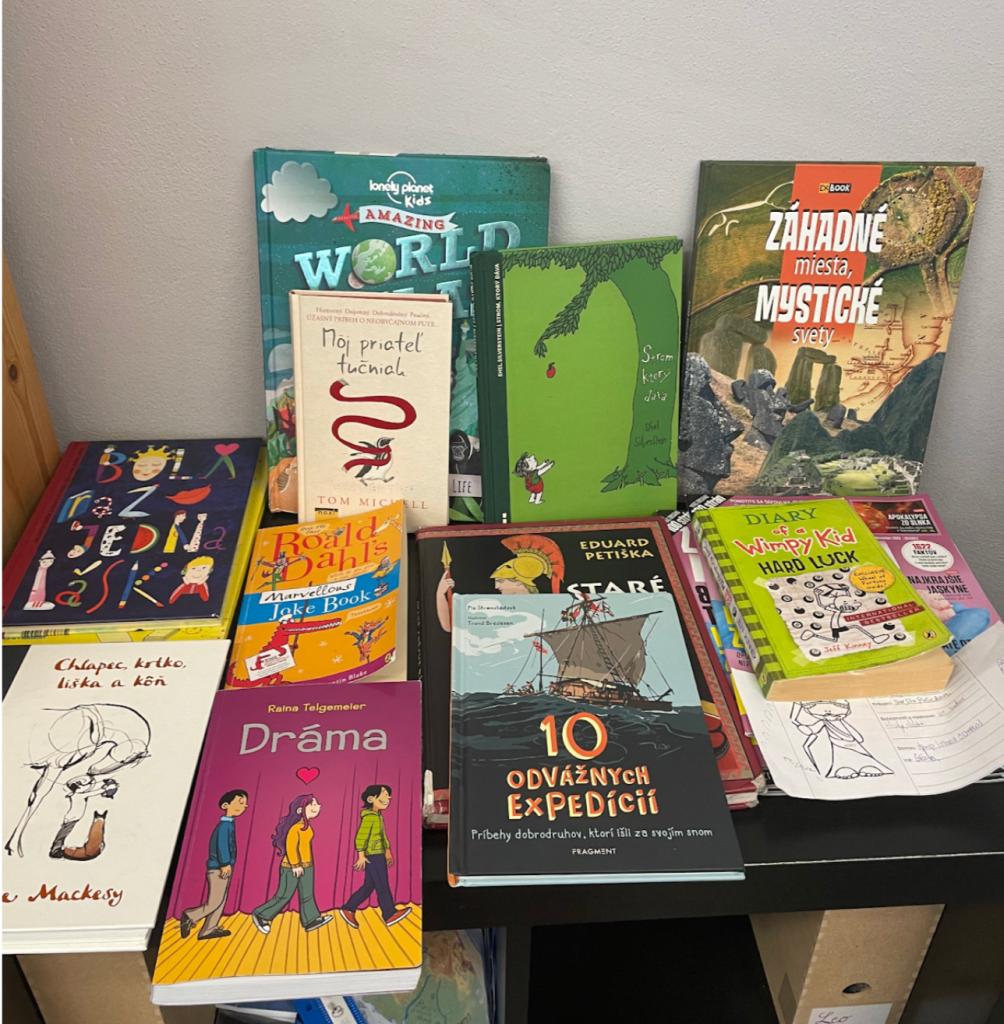
When I walked in the classroom, I noticed that there were copies in Slovak of Diary of a Wimpy Kid and Drama in their small library. I immediately smiled and said, “You are reading those books? So many children in the U.S. love those books. I like them, too.” The students immediately started talking about the books. This authentic connection broke the ice and was a natural beginning to our discussion about reading identity.
I explained that you can start by thinking about how you feel about reading. I modeled, saying that I usually like reading, but that some kinds of books were really hard for me. After a brief silence, one student said, “It’s so boring.” I replied, “ I understand. Reading is boring sometimes.” As soon as they realized that I was genuinely interested in their thoughts and did not expect certain answers, students opened up. Here are some of their comments:
- “I like reading. I like Smile and Drama. But reading in school is bad. We had to read Mark Twain. It was so boring.”
- “I like to read what I’m interested in.”
- “Right now, I am reading fantasy books, but when I am older, I want to read psychology and medical books.”
- “I do not like reading in school.”
- “I used to like reading, but I don’t anymore.”
- “There are so many good books to read now, like fantasy.”
We moved on to talking about their reading habits and what they think about as they read. Again, they had a lot of ideas:
- “I like to read at home, in bed, where it’s quiet.”
- “I don’t have anywhere to read at home. It is always too loud.”
- “I read in the park or in the library.”
- “When I read, I think about what is going to happen at the end. I think of a different ending for the book.”
- “I think about what I am learning.”
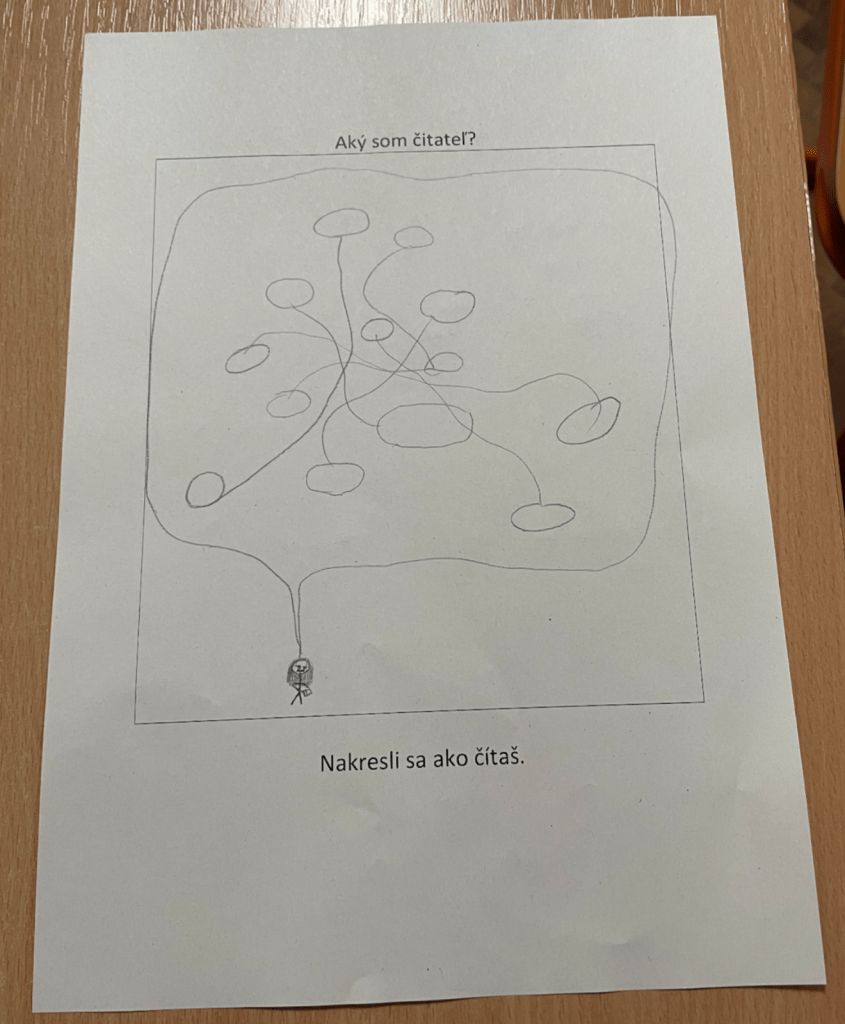
Some students decided to draw themselves reading, some students wrote about their habits, and some did a timeline of themselves as readers. All the students had experiences to share.
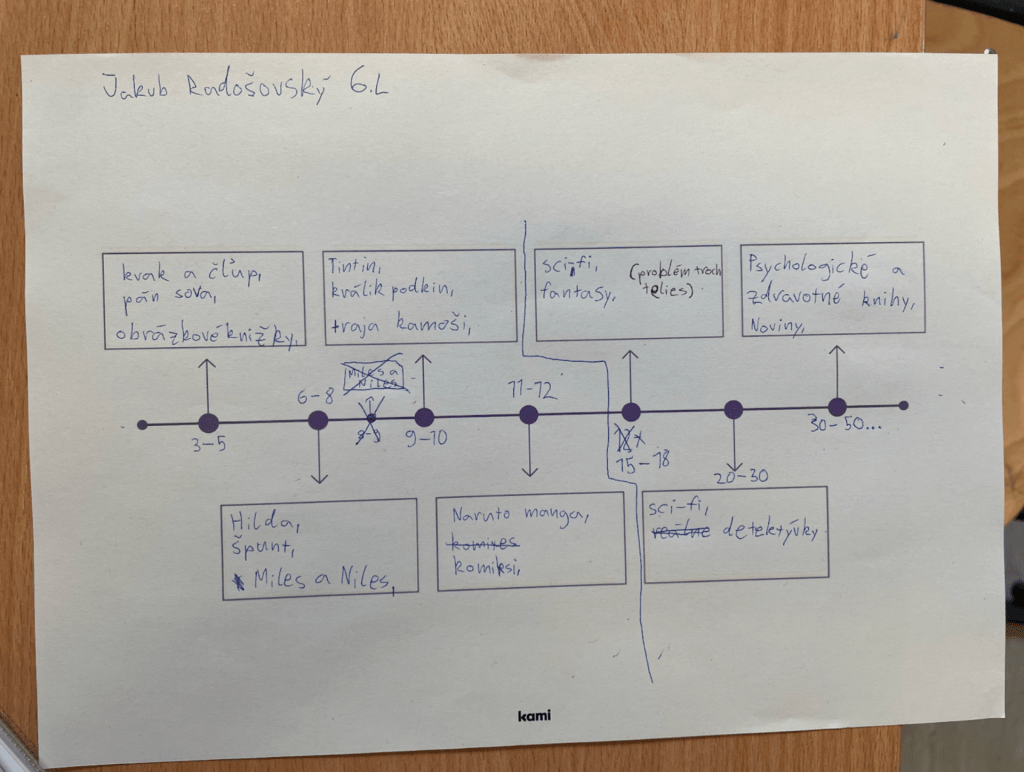

The teachers were delighted. Without even realizing it, they were already developing a reading community. We talked about the implications for their classrooms. The teachers realized that the students have complex reading identities. They were relieved to learn their students do not actually hate reading. They reflected that being a reader does not mean that you always like reading; it can mean that you have strong preferences. They are now thinking about other small shifts that they can make to give students time to read books of their choosing in school.
This is the meaning of trusting readers. Trust that students know themselves well.

 Trusting Readers